A craniosacral session feels quiet more than anything else. You stay fully clothed, tucked in warm, while hands rest where your body guides them, and most of the hour passes in silence. Many people describe warmth, heaviness or a settled stillness. Some drift close to sleep. Some notice very little at first, and that is common. This article walks through an hour on the table so you know what you are walking into.
What happens when you arrive?
Sessions at Soule Healing happen in a warm, dim room at 201 E Main St in Madison, Indiana. You start with a short talk. You can mention anything you would like known, such as an old injury, a stiff shoulder or simply that you have never done this before. There are no wrong answers, and you share only what you want to share.
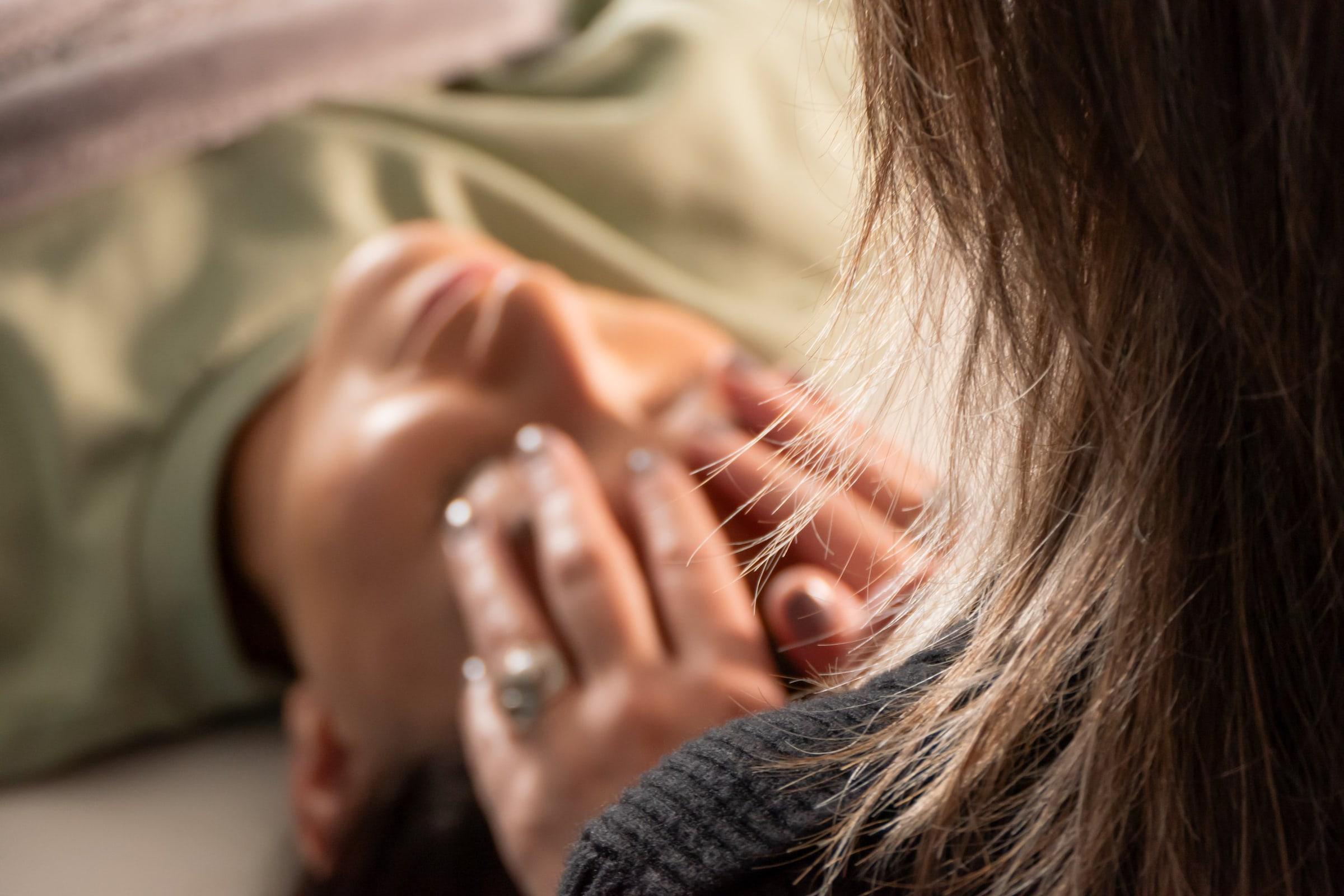
Then you lie down on your back, fully clothed, under a blanket if you like. Shoes, belts and glasses usually come off so you can settle. The lights stay low, and the room is quiet.
What does the touch feel like?
The touch is very light. People are often surprised by how light it is. Jennifer listens with her hands, and your body guides where they rest, so there is no set routine of places. Once a hand settles, it stays there. There is no kneading, pressing or cracking. The holds are long, sometimes several minutes, and the hands move only now and then.
Because so little seems to be happening, the first few minutes can feel strange. Some people find their minds busy at first, running through the day. That usually quiets. Nothing is required of you: you do not have to relax on cue, breathe a certain way or feel anything in particular.
You can ask for any hand placement to change or stop at any time. You can also ask for more quiet, a pillow under your knees or another blanket. It is your hour.
What do people notice during a session?
People describe sessions in different ways, and there is no right one. These are some of the things clients commonly mention:
- Warmth where the hands rest, or spreading from them.
- A sense of heaviness, as if sinking into the table.
- Small twitches, a deep breath that arrives on its own, or a stomach that gurgles. All normal.
- Drifting close to sleep, or actually falling asleep.
- Noticing very little at all, which is common, especially the first time.
In research interviews, people who chose craniosacral therapy described noticing changes across body, mind and spirit, and they valued the relationship with their practitioner. That matches what many first-time clients say: the quiet attention is part of the experience.
Can you talk during a session?
Yes. Some people talk for a few minutes and then fall quiet. Some say nothing at all. Some want to mention what they are noticing. All of that is fine. If you would rather stay silent, nobody will ask you to fill the space.
What is biodynamic about it?
Soule Healing works in the biodynamic way. That means the hands follow what your body is already doing instead of working it toward a plan. In practice you will notice longer, stiller holds and an unhurried pace. The approach grew out of the cranial work of William Garner Sutherland and was carried forward by Rollin Becker and James Jealous; Jennifer trained in it with Giorgia Milne at the Touch of Presence® School for Biodynamic Studies. Research on the biodynamic approach specifically is still very limited, so Soule Healing describes it as a gentle, deeply quiet practice rather than a medical treatment.
How does the session end?
Toward the end, the hands come away slowly and you are given a moment before you move. Sit up slowly. Many people feel a little slow or quiet for a while, so take your time before you drive. A glass of water and an easy evening are good companions to a session.
Who is it for?
People come to Soule Healing for many reasons: stress that will not switch off, tension nobody could explain, curiosity about a practice a friend mentioned, or simply wanting an hour of quiet. A session is not a replacement for seeing your doctor.
Craniosacral therapy complements, never replaces, medical care.
How do you book a first session?
A craniosacral session is $100 for 60 minutes. You choose a time online and add your name, email and phone, with no account and no password. You will not be charged when you book; pay at your session.
Frequently asked questions
- Does craniosacral therapy hurt?
- No. The touch is very light and still. If anything is uncomfortable, say so and it changes or stops.
- Do I undress for a craniosacral session?
- No. You stay fully clothed for the whole session.
- Is it normal to feel nothing?
- Yes. Some people notice very little, especially the first time. There is no right way for a session to feel.
- Can I fall asleep?
- Yes. Many people drift close to sleep or fall asleep, and that is fine.